Gen Z alcohol consumption dropped 25%. Sobriety is now a $300B market.
With "soft clubbing" events surging 478%, the next generation is treating sobriety not as a restriction, but as a premium lifestyle choice.

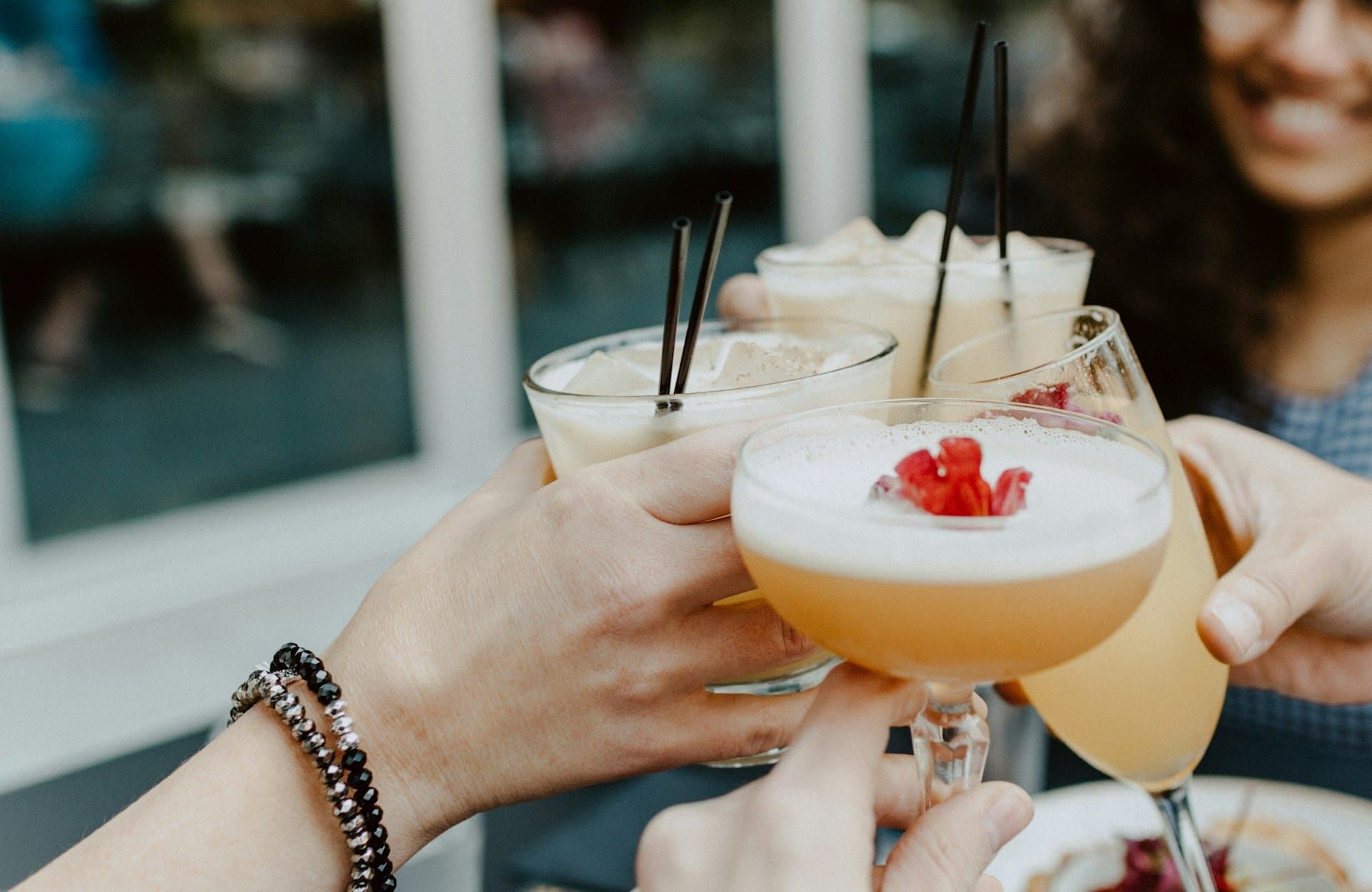
According to the Datassential 2026 Future of Drink Report released in January, Gen Z alcohol consumption has dropped 25% over the last four years, with nearly half of the demographic planning to actively reduce intake this year. Meanwhile, non-alcoholic spirits and functional beverages have exploded into a $300 billion global market. The behavioral shift is visible in real life: Eventbrite recently reported a 478% increase in "soft clubbing"—nightlife events built entirely without alcohol.
For decades, the beverage and hospitality industries assumed that socialization required intoxication. Alcohol was the structural center of the "third place." Today, that assumption is breaking. Following the exact same trajectory as the modern fitness boom, sobriety has been entirely rebranded. It is no longer viewed as a lack of fun or a medical necessity. It is positioned as deliberate, premium optimization. Young consumers are not drinking less because they are boring; they are drinking less because they view their bodies as a system to be optimized, and hangovers introduce unacceptable friction to their performance.
When the world's most valuable demographic decides that waking up feeling good is a higher status symbol than buying a round of shots, the entire architecture of nightlife changes.
Reframe sobriety as a premium upgrade rather than a menu afterthought. If your core social or hospitality offering assumes that everyone wants to drink, you are actively alienating a massive demographic that views waking up refreshed as the ultimate status symbol.
Source: Datassential