
Restaurants are building quiet zones for neurodivergent diners.
One Toronto spot employs neurodivergent staff and turns off the music on request, signaling a shift toward inclusion as a foundational design principle.

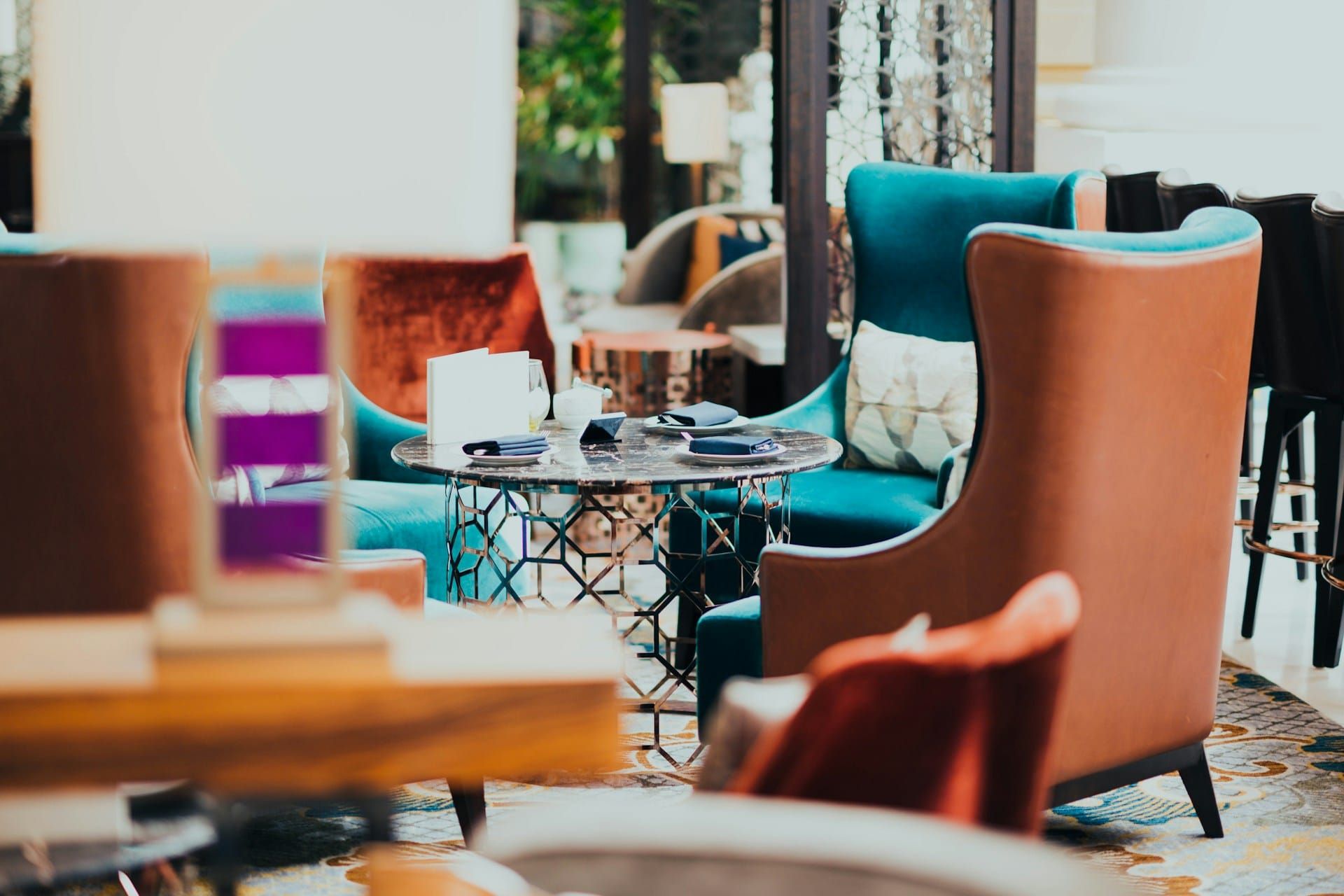
In February 2026, Toronto's Sarang Kitchen gained national attention for its deliberate approach to neurodivergent dining. The restaurant doesn't just offer sensory kits; it has fundamentally redesigned its environment with dimmable lights, acoustic panels, and a policy that allows diners to request the music be turned off entirely. Furthermore, the establishment prioritizes employing neurodivergent staff, creating an environment built on shared understanding rather than mere accommodation.
This movement reflects a broader structural change in hospitality. With approximately 19% of Americans identifying as neurodivergent, the industry is moving away from treating accessibility as an afterthought. Instead, brands are realizing that inclusive design—managing sensory input like sound and light—actually improves the experience for everyone. It follows a similar trajectory to "quiet hours" in retail, but elevates the concept from a temporary event to a permanent architectural identity.
When a restaurant's primary competitive advantage is its ability to reduce environmental friction, hospitality is no longer just about the food. It is about emotional and sensory safety.
Evaluate your physical spaces for sensory friction. If your environment relies on high-volume music, harsh lighting, or complex layouts, you are actively designed out a significant portion of the market; prioritize acoustic control and lighting flexibility to earn the loyalty of diners who feel overwhelmed by standard commercial spaces.
Source: MENU Magazine