
Starbucks removed thousands of chairs. Now it is spending $150 million to put them back.
The world's largest coffee chain just admitted that a decade of optimising for speed destroyed the thing that made it valuable in the first place.

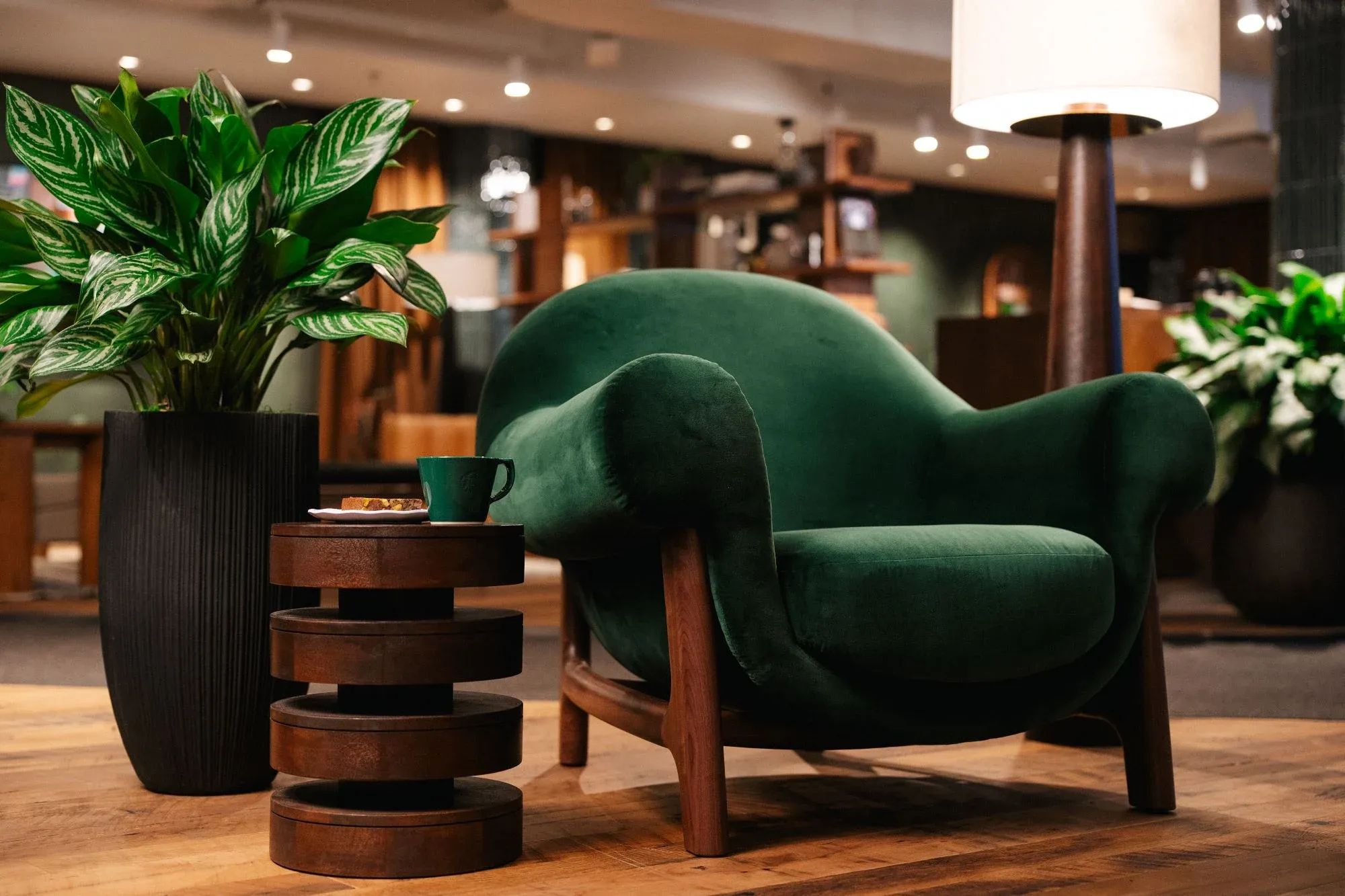
In 2015, Starbucks had velvet armchairs and ceramic mugs. By 2023, it had hard stools, mobile order screens, and 90 pickup-only locations designed so you would never sit down at all. The strategy worked on a spreadsheet: faster throughput, smaller footprints, more transactions per square foot. It failed on the thing that does not show up on a spreadsheet: the reason people chose Starbucks over the coffee shop next door.
CEO Brian Niccol, who joined from Chipotle in 2024, is now reversing course. Starbucks is remodelling over 1,000 stores by end of 2026, bringing back soft seating, ceramic mugs, power outlets, and condiment bars. It is closing all 90 pickup-only locations. The stated goal is to make cafés feel like 'a living room outside your home.' The cost: $150 million — roughly what the company spent removing those same chairs in the first place.
The lesson is not about furniture. It is about what happens when a brand optimises for efficiency and accidentally optimises away the experience that justified its premium. A $6 coffee only makes sense if you are buying more than coffee. Starbucks was selling a place to be — and then systematically dismantled it. The chairs are the apology.
Walk through your own customer experience and find the thing you removed for efficiency that people actually loved. Starbucks lost years and $150 million learning that the most valuable part of the product was not the product. It was the permission to stay.
Source: Starbucks / NRN