The Algorithm Question
The tension between depending on and distrusting the AI and algorithmic systems that curate our information, make our recommendations, and increasingly do our work. Are we being replaced or augmented?

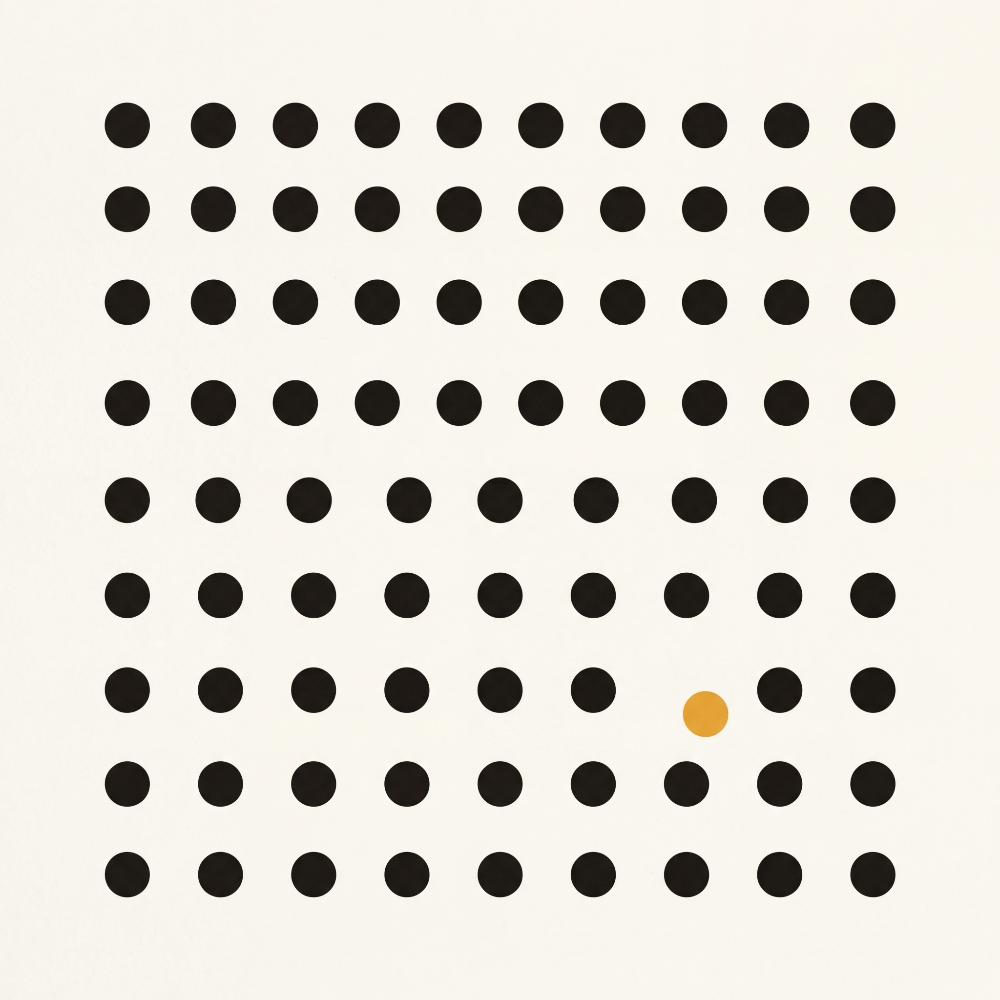
The Algorithm Question
The tension between depending on and distrusting the AI and algorithmic systems that curate our information, make our recommendations, and increasingly do our work. Are we being replaced or augmented?
The Story
Every person alive right now has a complicated relationship with algorithms. We depend on them — for our news feeds, our music, our navigation, our shopping recommendations — while simultaneously distrusting them. We suspect they manipulate us, filter our reality, and optimise for engagement over truth. And yet we cannot stop using them. The Algorithm Question is this unresolved tension: we know the systems are imperfect, possibly harmful, and certainly opaque — and we use them anyway because the alternative (doing everything manually) is impossible.
What this is
The Algorithm Question is the defining tension of the AI age: we depend on algorithmic systems more than ever while trusting them less than ever. AI curates our information, makes our recommendations, writes our emails, and increasingly does our work. The question everyone is asking — often without articulating it — is: are we being helped or being replaced? Are we in control or being controlled?
What's driving it right now
It’s the rapid expansion of AI into professional domains. Algorithms used to curate entertainment. Now they curate job applications, medical diagnoses, financial advice, and legal research. The stakes have risen. "Algorithmic trust" is becoming a real field of study as researchers try to understand when and why people defer to machine judgment — and when they override it.
Where it's going
This is the fastest-moving trend on the site. The tension will not resolve — it will intensify. Every new AI capability will trigger a fresh cycle of excitement and anxiety. The brands and institutions that help people navigate this tension — explaining what the algorithm does and giving people control — will build outsized trust.
Three Historical Proofs
The "trust the algorithm" paradox.
People who say they distrust algorithmic recommendations still follow them. Spotify listeners who claim to prefer their own taste spend more time on algorithmic playlists. What it confirms: algorithmic dependence is behavioural, not rational.
AI hiring backlash.
Companies using AI to screen candidates face increasing public and regulatory pushback. What it confirms: when algorithms make high-stakes decisions, transparency is not optional.
Content moderation failures.
Every major platform has faced criticism for algorithmic content decisions — what to show, what to suppress, what to recommend. What it confirms: algorithmic authority without accountability generates the same distrust that institutional authority does.
Signals of this trend in action.
Each one is anchored to a real event, a brand move, a viral moment. Published daily — timestamped, tagged, and ending with a specific So What for your work.
See all signals for "The Algorithm Question" →Part of
👑 "Who's in charge here?" →Also in this undercurrent: The Trust Deficit · Creator as Institution · The Local Comeback