
The Pace Rebellion
The active rejection of speed, urgency, and hustle culture — from slow living and slow fashion to people deliberately choosing less. Anti-hustle is not laziness. It is strategy.

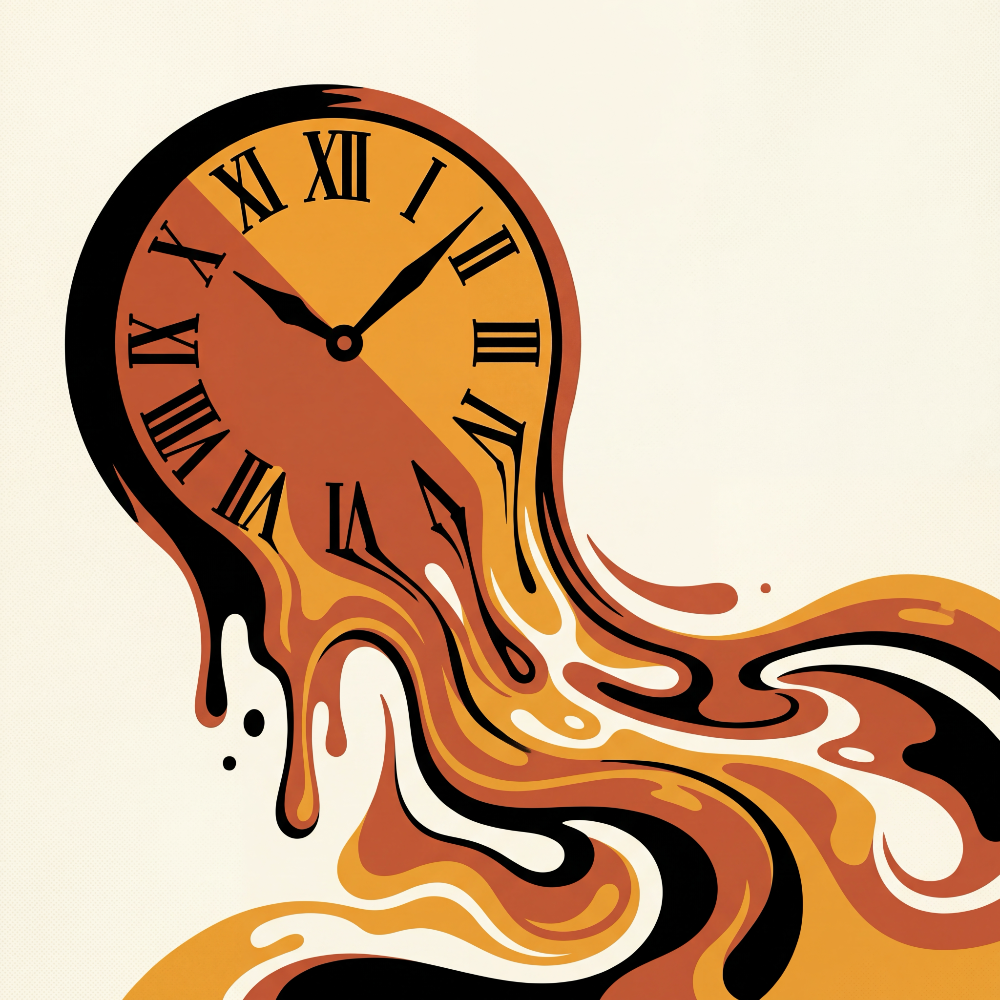
The Pace Rebellion
The active rejection of speed, urgency, and hustle culture — from slow living and slow fashion to people deliberately choosing less. Anti-hustle is not laziness. It is strategy.
The Story
Hustle culture had a good run. For nearly a decade, the rise-and-grind mentality defined professional success. Side hustles stacked on top of full-time jobs. Sleep was for losers. The 5AM alarm was a personality trait. But by 2024, the people who hustled hardest started publicly quitting. "Bare Minimum Monday" went viral. "Lazy Girl Jobs" became a real career search term. Slow living searches grew over 250 per cent globally. The rebellion was not quiet — it was backed by a generation that watched their parents burn out and still get laid off.
What this is
The Pace Rebellion is the growing cultural rejection of speed as a default virtue. Slow living, slow fashion, slow food — these are not niche anymore. They are mainstream aspirations. People are choosing less on purpose: fewer commitments, fewer purchases, fewer notifications.
What's driving it right now
It’s a generational shift with economic teeth. Gen Z — who will account for 30 per cent of the workforce by 2030 — consistently ranks work-life balance as high as salary. Seventy-six per cent of Gen Z workers now prioritise balance over pay. Meanwhile, slow living is being called the status symbol of 2026. Choosing rest has become more aspirational than choosing hustle. The "soft life" movement, which champions ease and well-being over relentless productivity, has moved from a niche social media aesthetic to a mainstream cultural position.
Where it's going
The rebellion will split into two camps: those who genuinely slow down and those who perform slowness while maintaining the same pace underneath. The authentic slow brands will pull further ahead. Urgency-as-marketing (countdown timers, limited drops) will increasingly backfire.
Three Historical Proofs
"Lazy Girl Jobs" goes mainstream.
TikToker Gabrielle Judge coined the term for low-stress, well-paying roles that prioritise balance. It became a genuine career strategy embraced by millions. What it confirms: the definition of a good job has been rewritten.
Slow fashion's economic rise.
Second-hand platforms like Vinted and ThredUp posted record revenue. "Buy less, choose better" moved from sustainability niche to mainstream consumer behaviour. What it confirms: the pace rebellion extends beyond work into how people shop.
Rest as a luxury product.
Hotels began marketing "do nothing" packages — no activities, no itinerary, just silence. Demand outpaced supply. What it confirms: rest has become a premium product. The most expensive thing you can sell someone is time to do nothing.
Signals of this trend in action.
Each one is anchored to a real event, a brand move, a viral moment. Published daily — timestamped, tagged, and ending with a specific So What for your work.
See all signals for "The Pace Rebellion" →Part of
😴 "I'm tired of pretending" →Also in this undercurrent: The Mess Aesthetic · The Honesty Boom